
📘 What’s Inside This CAT Misfit Sentence/Odd One Out Question Post?
📝 Authentic CAT Misfit Sentence/Odd One Out Question: Practice with a real CAT Para-jumble Question from a previous CAT exam.
✅ Detailed Question with Step-by-Step Solution: Each question is explained thoroughly for better understanding.
📚 Vocabulary Enhancement: Top 5 words explained from the paragraph
Misfit Sentence/Odd One Out Question
Question 21: Five jumbled up sentences, related to a topic, are given below. Four of them can be put together to form a coherent paragraph. Identify the odd one out and key in the number of the sentence as your answer:
1. Machine learning models are prone to learning human-like biases from the training data that feeds these algorithms.
2. Hate speech detection is part of the on-going effort against oppressive and abusive language on social media.
3. The current automatic detection models miss out on something vital: context.
4. It uses complex algorithms to flag racist or violent speech faster and better than human beings alone.
5. For instance, algorithms struggle to determine if group identifiers like "gay" or "black" are used in offensive or prejudiced ways because they're trained on imbalanced datasets with unusually high rates of hate speech.
Solution with Explanation
Answer: 3
Detailed explanation by Wordpandit:
To build a coherent paragraph, we begin with Sentence 2, which introduces the topic of hate speech detection as a part of broader efforts to combat abusive language on social media.
Next comes Sentence 4, which explains how this detection process operates: it employs complex algorithms that outperform humans in identifying problematic speech, continuing the thread of automatic detection.
Then, Sentence 1 steps in to highlight a potential problem with these algorithms—namely, that they can learn biased behavior from the data on which they are trained.
This concern is elaborated in Sentence 5, which provides an example of how algorithms can misinterpret phrases involving identity terms, due to the imbalanced nature of the data they rely on.
However, Sentence 3 introduces the concept of “context” in isolation without linking clearly to the rest of the discussion about algorithmic performance, bias, and hate speech detection. While it might seem relevant on the surface, it lacks a direct connection to the structure formed by the other four sentences. Its general tone and lack of specificity make it feel disconnected from the more technical and example-rich narrative.
Therefore, the sentence that does not fit is Sentence 3, and the coherent paragraph follows the sequence: 2-4-1-5.
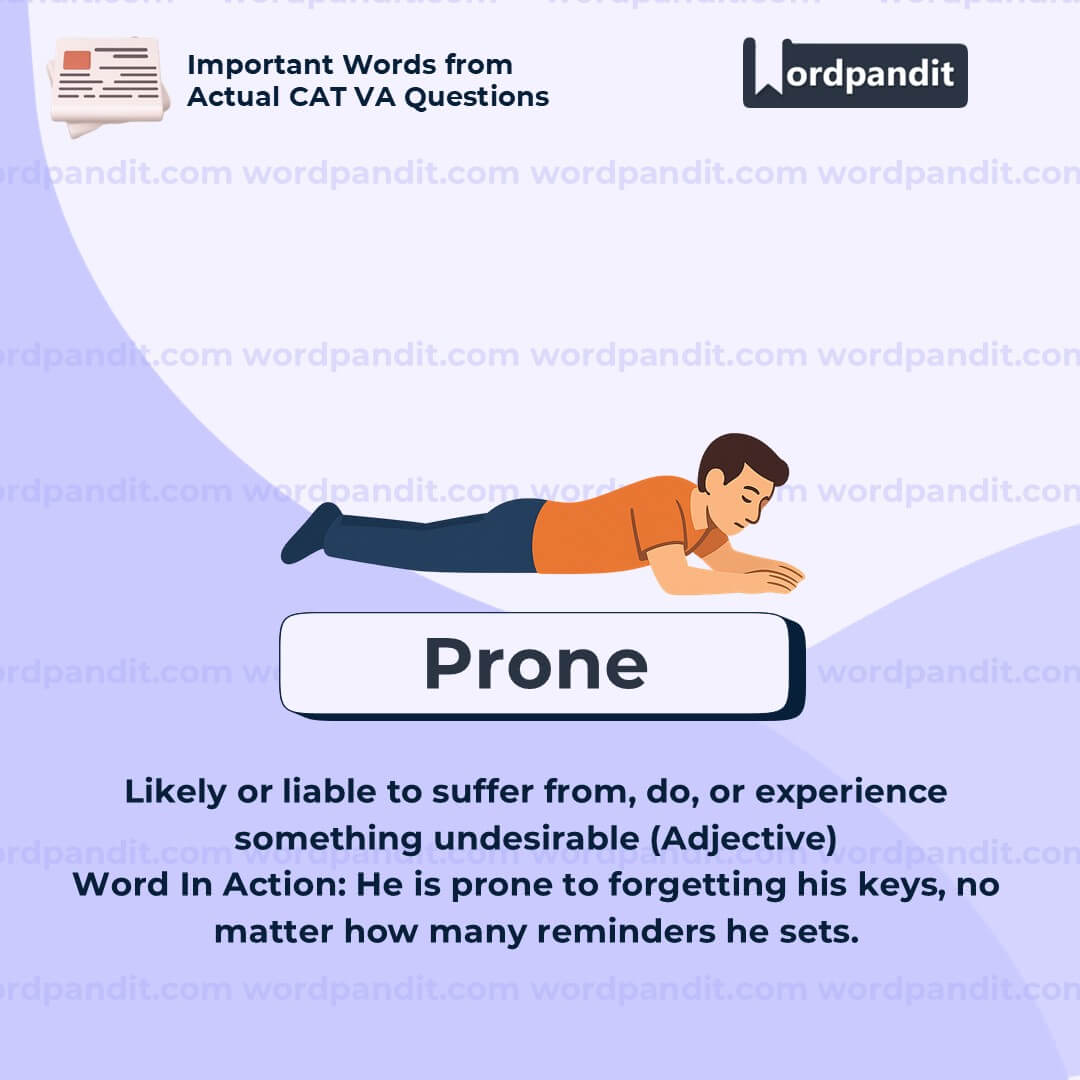
Word-1: Prone
Context:
"Machine learning models are prone to learning human-like biases from the training data that feeds these algorithms." - Artificial Intelligence Ethics Article
Explanatory Paragraph:
"Prone" refers to having a natural tendency or inclination to do something—especially something undesirable or negative. In this context, it highlights the vulnerability of machine learning models to unintentionally absorb and replicate biases found in the data they're trained on. The word is often used to describe people or systems that are especially susceptible to certain behaviors, actions, or outcomes.
Meaning: Likely or liable to suffer from, do, or experience something undesirable (Adjective)
Pronunciation: prohn
Difficulty Level: ⭐⭐ Beginner
Etymology: From Latin *pronus* meaning "bent forward, inclined"
Prashant Sir's Notes:
Think of “prone” as a warning signal—it tells us where there’s a weak spot or a likely direction. Whether it's people prone to anger or systems prone to error, the word is a cue for caution.
Synonyms & Antonyms:
Synonyms: susceptible, vulnerable, inclined, liable, predisposed
Antonyms: resistant, immune, unlikely, invulnerable
Usage Examples:
- Children are more prone to infections due to their developing immune systems.
- The system is prone to crashes during peak hours.
- He's prone to forgetting appointments unless he sets a reminder.
- Machine learning models are prone to replicating the biases present in their training data.
Cultural Reference:
"Even the most advanced systems are still prone to human flaws—because humans created them." - *MIT Technology Review*
Think About It:
Why is it important to recognize what we or our technologies are prone to—and how can that awareness lead to better outcomes?
Quick Activity:
Write down three things you’re personally prone to doing (e.g., procrastinating, snacking when bored). Now consider one way to reduce each tendency.
Memory Tip:
Think of “prone” as leaning toward something. If you’re prone to error, you’re “leaning” in that direction—it’s your default or weakness.
Real-World Application:
"Prone" is often used in psychology, technology, health, and risk assessment. It helps identify vulnerability or likelihood—crucial for improving systems, self-awareness, and decision-making.
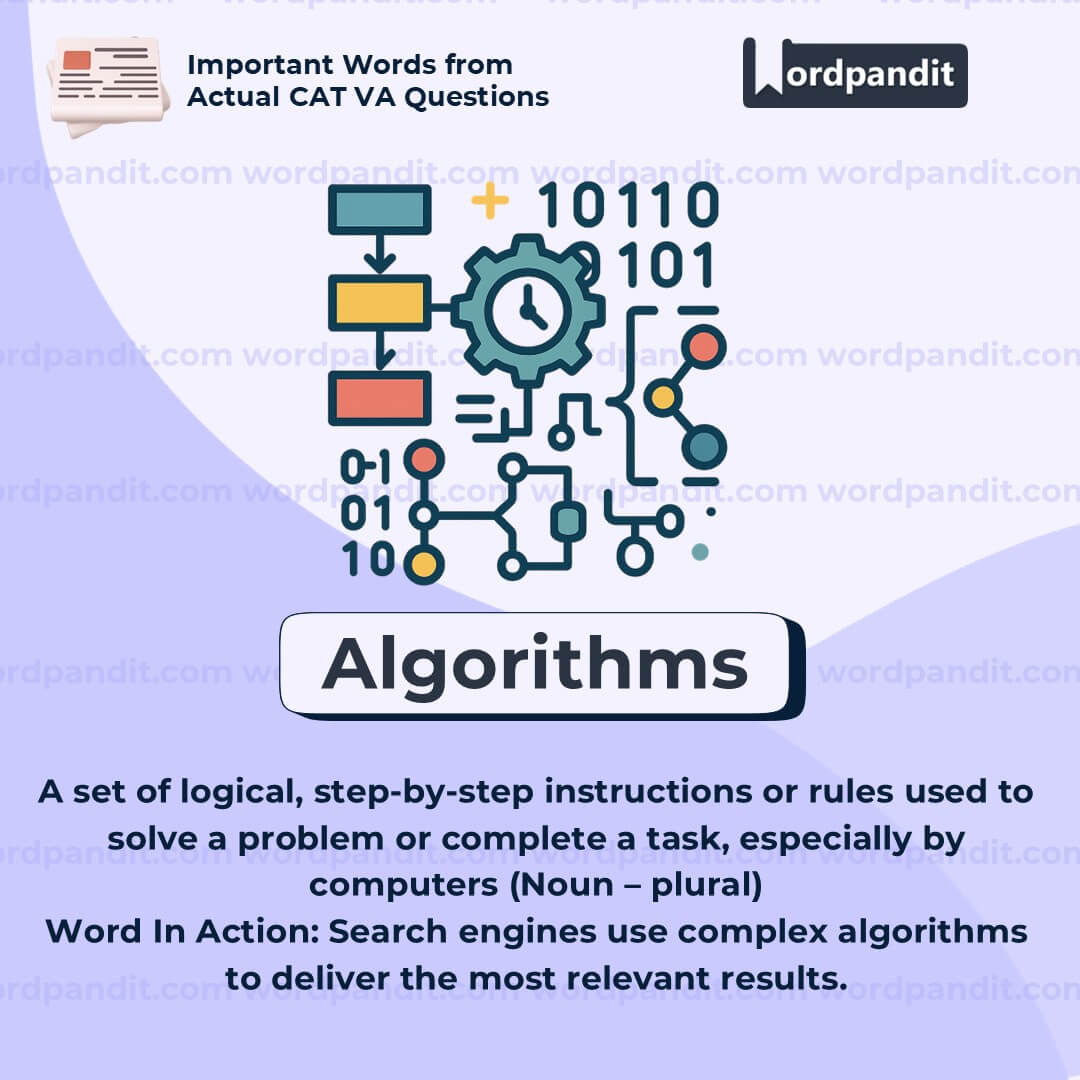
Word-2: Algorithms
Context:
"Machine learning models are prone to learning human-like biases from the training data that feeds these algorithms." - Artificial Intelligence Ethics Article
Explanatory Paragraph:
"Algorithms" are step-by-step sets of rules or instructions used to solve problems or perform tasks—especially by computers. In machine learning, algorithms help systems analyze data, learn patterns, and make predictions. The word has become increasingly common in our digital age, as algorithms are now responsible for everything from recommending music and movies to filtering content on social media and powering autonomous vehicles.
Meaning: A set of logical, step-by-step instructions or rules used to solve a problem or complete a task, especially by computers (Noun – plural)
Pronunciation: AL-guh-rith-uhmz
Difficulty Level: ⭐⭐ Beginner
Etymology: Derived from the name of Persian mathematician al-Khwarizmi (9th century), whose work introduced systematic problem-solving methods to the West
Prashant Sir's Notes:
Think of algorithms as digital recipes. Just like a cooking recipe tells you what steps to follow for a dish, an algorithm lays out instructions for a machine to reach a solution. And yes, some "recipes" can be biased based on the ingredients (data) used!
Synonyms & Antonyms:
Synonyms: procedures, formulas, routines, processes, protocols
Antonyms: guesswork, randomness, improvisation
Usage Examples:
- Search engines use complex algorithms to rank pages and deliver relevant results.
- The algorithm behind the app suggests content based on user behavior.
- Machine learning algorithms can improve with more training data.
- Biases in training data can lead to discriminatory outcomes in algorithms.
Cultural Reference:
"The algorithm made me do it." – A common phrase today, reflecting how algorithmic systems influence choices in media, advertising, and even dating. – *The Atlantic*
Think About It:
How much control do we really have in a world where algorithms increasingly decide what we see, hear, and buy?
Quick Activity:
Identify three algorithms you interact with daily (e.g., YouTube recommendations, Google search, weather apps). What data do you think they use to make decisions?
Memory Tip:
Think of an algorithm like a math formula or a checklist—it follows steps, and if the input is biased or flawed, the output will be too. Garbage in, garbage out!
Real-World Application:
Algorithms are foundational in computing, AI, finance, healthcare, logistics, marketing, and even legal systems. They automate decisions, predict outcomes, and are increasingly shaping public and private life.
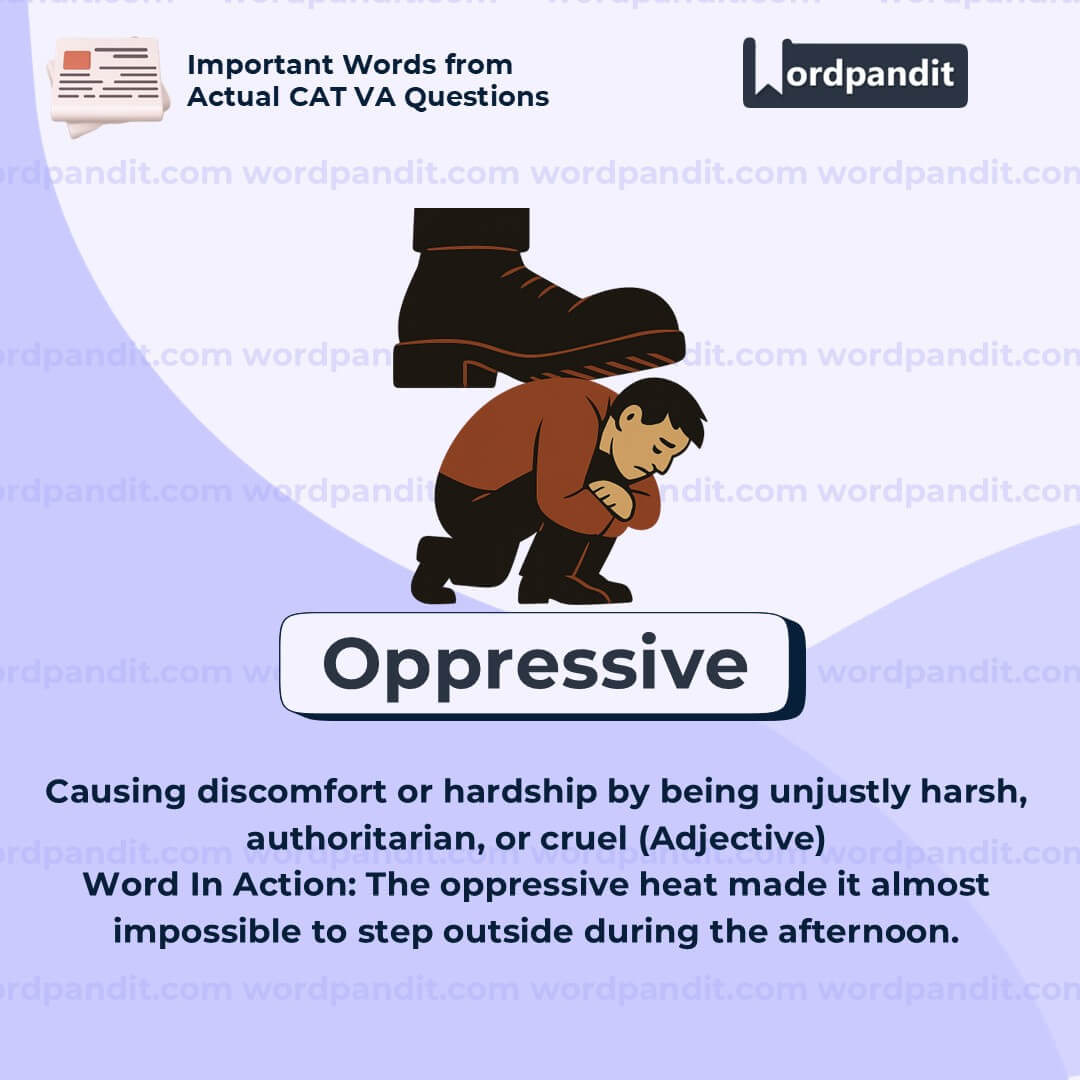
Word-3: Oppressive
Context:
"Hate speech detection is part of the on-going effort against oppressive and abusive language on social media." - Digital Ethics and Technology Article
Explanatory Paragraph:
"Oppressive" refers to something that causes unjust hardship, suffering, or cruelty—especially by limiting freedom, imposing unfair control, or creating a hostile environment. In the context of social media, it describes language or behavior that silences, intimidates, or degrades individuals or communities. The term is often associated with social injustice, discrimination, and abuse of power in both online and offline contexts.
Meaning: Causing discomfort or hardship by being unjustly harsh, authoritarian, or cruel (Adjective)
Pronunciation: uh-PRESS-iv
Difficulty Level: ⭐⭐⭐ Intermediate
Etymology: From Latin *opprimere* meaning "to press down, crush" → *oppressus*, leading to "oppressive" in English
Prashant Sir's Notes:
“Oppressive” isn’t just about physical force—it includes emotional, psychological, and social pressure. If someone’s voice is constantly silenced or ridiculed, that’s oppression too. It’s important to recognize subtle forms of it in our digital lives.
Synonyms & Antonyms:
Synonyms: harsh, cruel, authoritarian, unjust, repressive
Antonyms: fair, liberating, just, democratic, empowering
Usage Examples:
- The regime was known for its oppressive policies against dissenters.
- Many people find certain online environments emotionally oppressive due to constant bullying.
- The summer heat was so oppressive that people avoided going outside.
- Oppressive language on social platforms can marginalize already vulnerable groups.
Cultural Reference:
"Power tends to corrupt, and absolute power corrupts absolutely." – Lord Acton, often cited in discussions of oppressive regimes and unchecked authority.
Think About It:
How can we recognize and challenge oppressive behavior—especially when it’s embedded in everyday language or humor?
Quick Activity:
Identify one real-world or online situation you've observed or read about that involved oppressive behavior. Reflect on how it could have been addressed differently.
Memory Tip:
Think of “oppressive” as “pressing down”—it’s like a heavy weight that keeps someone or something from rising, breathing, or expressing freely.
Real-World Application:
“Oppressive” is widely used in human rights discussions, social justice movements, psychological studies, and AI ethics. It helps frame the fight against inequality, censorship, and harmful power dynamics.
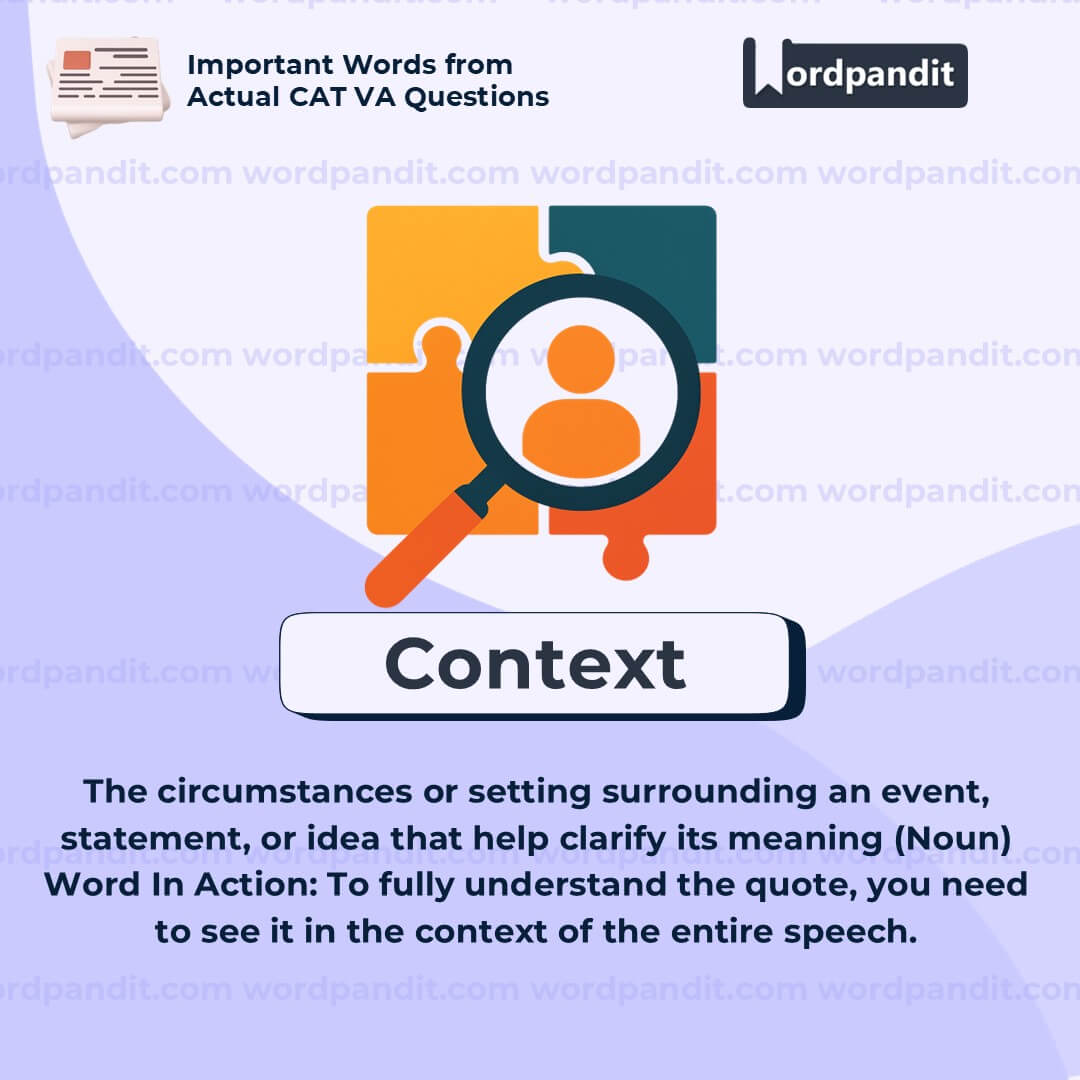
Word-4: Context
Context:
"The current automatic detection models miss out on something vital: context." - Artificial Intelligence and Ethics Article
Explanatory Paragraph:
"Context" refers to the surrounding circumstances, background, or setting that gives meaning to a word, action, or situation. In this example, it highlights the idea that hate speech detection models often fail because they don’t fully grasp the situational or linguistic context in which a phrase is used. Without understanding context, even accurate word detection can lead to false conclusions. In everyday life, context helps us interpret meaning correctly—whether in conversation, reading, or decision-making.
Meaning: The circumstances or setting surrounding an event, statement, or idea that help clarify its meaning (Noun)
Pronunciation: KON-tekst
Difficulty Level: ⭐⭐ Beginner
Etymology: From Latin *contextus* meaning “a joining together,” from *con-* (together) + *texere* (to weave)
Prashant Sir's Notes:
“Context” is the story behind the sentence. Words alone don’t always tell the full truth—it’s the surrounding ideas, tone, and background that complete the picture. In exams or real life, context changes everything!
Synonyms & Antonyms:
Synonyms: background, situation, setting, framework, circumstance
Antonyms: isolation, detachment, disconnection
Usage Examples:
- Words can have different meanings depending on their context.
- The historical context of the speech helped explain its emotional impact.
- Without context, the machine misinterpreted a sarcastic remark as hate speech.
- Teachers encouraged students to consider the context of a poem before analyzing its meaning.
Cultural Reference:
"Taking things out of context" is a common complaint in media and politics, often used when a quote or action is misrepresented without the full background. – *Media Literacy Education*
Think About It:
How does your understanding of a situation change when you know the full context—and what risks do we face when we judge without it?
Quick Activity:
Choose a famous quote and research the context in which it was said. Does the meaning change when you know the full story?
Memory Tip:
Think of “context” as the text “con”nected around a word or action. It’s the glue that holds meaning together.
Real-World Application:
Understanding context is essential in communication, education, journalism, machine learning, and daily life. Whether decoding a joke, reading a novel, or programming a chatbot, context makes meaning accurate.
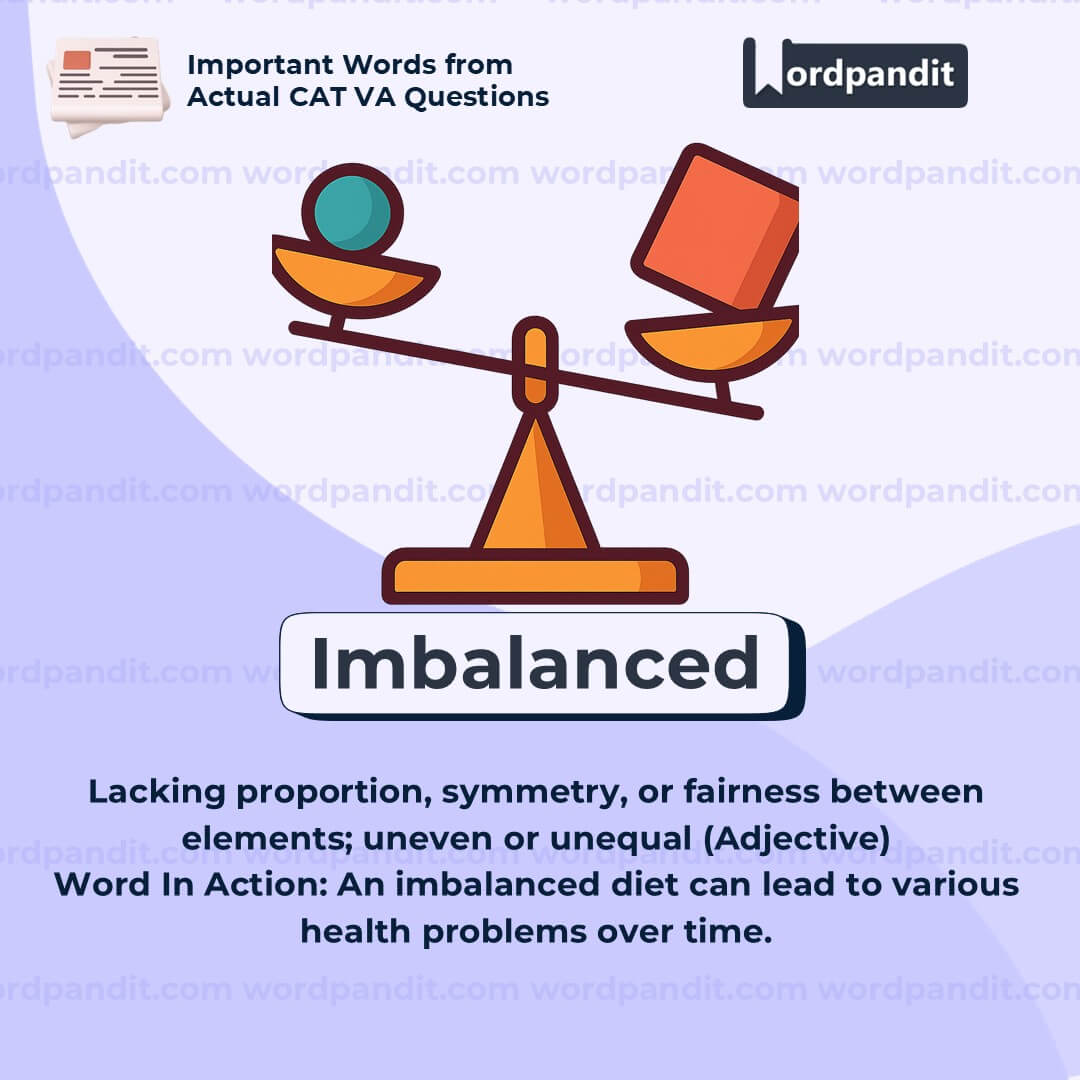
Word-5: Imbalanced
Context:
"For instance, algorithms struggle to determine if group identifiers like 'gay' or 'black' are used in offensive or prejudiced ways because they're trained on imbalanced datasets with unusually high rates of hate speech." - Artificial Intelligence and Bias Study
Explanatory Paragraph:
"Imbalanced" describes a state where there is a lack of equality, fairness, or proportion between parts. In the context of machine learning, it often refers to datasets where certain categories (like offensive vs. neutral language) are overrepresented or underrepresented. This skew can lead to biased learning outcomes, where the algorithm makes incorrect or unfair judgments because it hasn’t seen enough examples of all categories in a balanced way.
Meaning: Lacking proportion, symmetry, or fairness between elements; uneven or unequal (Adjective)
Pronunciation: im-BAL-uhnst
Difficulty Level: ⭐⭐ Beginner
Etymology: From “balance” (from Latin *bilanx*, meaning "having two scales") + prefix “im-” meaning "not"
Prashant Sir's Notes:
When you see “imbalanced,” think of a seesaw that tips too far to one side. Whether in datasets, diets, workloads, or decisions—imbalance often leads to unfairness or inefficiency.
Synonyms & Antonyms:
Synonyms: uneven, skewed, disproportionate, biased, lopsided
Antonyms: balanced, equal, fair, proportionate, symmetrical
Usage Examples:
- The imbalanced data led the AI to wrongly flag neutral comments as offensive.
- A diet rich in sugar and lacking in nutrients is dangerously imbalanced.
- The report criticized the imbalanced distribution of wealth across the region.
- Imbalanced media coverage can influence public perception unfairly.
Cultural Reference:
"AI models trained on imbalanced data often reinforce harmful stereotypes, especially when minority voices are underrepresented." – *Algorithmic Justice League*
Think About It:
What areas in society or your own life feel imbalanced—and how might more balance improve fairness or well-being?
Quick Activity:
List two examples of imbalance you’ve observed in data, relationships, or work. For each, suggest one step that could restore balance.
Memory Tip:
“Im-” means “not,” and “balanced” means “even or fair”—so “imbalanced” = not balanced. Imagine a scale that tips too far to one side.
Real-World Application:
"Imbalanced" is commonly used in data science, nutrition, education, workplace equality, and justice systems. Recognizing imbalance helps in creating fairer and more effective systems and decisions.
